
Industrial IoT & Automotive Micro SD / SIM Card Socket Selection: Heart-Cam Push-Push Jamming Prevention, Card-Detect (CD Pin) Debounce, and Anti-Fretting Mechanics
An in-depth engineering selection guide for Micro SD and SIM card sockets across IoT gateways, automotive T-Box modules, smart meters, and handheld POS terminals: comparing push-push vs hinged/flip-lock kinematics, hardware RC debounce design for Card Detect (CD Pin) switches, gold plating thickness against fretting corrosion, and SMT coplanarity (≤0.08mm) assembly rules.
Read more →C&K and ALPS Alpine Slide Switch Replacement Guide: Matching Pitch, Actuator Height, and Contact Timing (SPDT/DPDT)
A definitive engineering cross-reference guide for replacing C&K (JS/PCM/OS series) and ALPS Alpine (SSSS/SSSU/SSAJ series) miniature slide switches: resolving BBM vs MBB contact timing, terminal pitch alignment (1.27/2.0/2.54mm), actuator height and travel tolerances, and flux-creepage prevention under lead-free reflow.
Read more →Cross-Referencing Molex and JST Battery Connectors: Thermal Rise Tolerances and Mating Durability Benchmark
An engineering cross-reference benchmark for substituting Molex (47018/504077 series) and JST (PBV/PA series) spring and blade battery connectors: resolving the 2.50mm vs 2.54mm pitch tolerance stackup, normal force retention (≥0.5N), high-current Joule heating (ΔT≤30°C @ 5A), and SMT coplanarity (≤0.08mm) quality gates.
Read more →Push Button & Key Switch Selection: Latching vs Momentary Mechanics, Contact Bounce Suppression, and High-Cycle Durability
Comprehensive engineering guide on push button and key switches: heart-shaped cam latching vs momentary kinematics, dual-cantilever contact bounce suppression (≤2.0ms), contact wiping action, DC inrush arc protection, and tactile stroke profiles.
Read more →Micro Switch (Snap-Action) Over-Travel, Operating Force Tolerances, and Dust/Oil Ingress Protection: Industrial Selection Guide
Comprehensive engineering guide on snap-action micro switches: over-center snap mechanics (FP/OP/PT/OT/MD travel model), over-travel (OT) housing fracture prevention, bounce suppression (≤1.5ms), AgSnO2 anti-welding contacts, and roller/plunger actuator selection.
Read more →DC Power Jack and 3.5mm Audio Jack Selection: Center Pin Tolerances, Normally-Closed Switch Oxidation, and Mating Durability
Comprehensive engineering guide on DC barrel jacks and 3.5mm phone jacks: 5.5x2.1mm vs 5.5x2.5mm center pin tolerance matching, normally-closed (NC) shunt switch contact oxidation and anti-tarnish dimple design, and metal shield retention mechanics.
Read more →Pogo Pin and Magnetic Connector High-Current Thermal Dissipation and Contact Resistance Stability: Anti-Arcing and Plating Engineering
In-depth engineering guide on Pogo Pins and magnetic connectors for wearables and robotics: bias-cut & ball current shunting (preventing spring annealing), N-S polarity keying, staged disconnect anti-arcing, and quad-layer anti-sweat plating (hard gold ≥10μ'').
Read more →BMS & Energy Storage Interconnect Standards: HVIL Loop Architecture, Cell Voltage Sampling Tolerances, and Anti-Creep Contact Mechanics
In-depth engineering guide on BMS and energy storage battery connectors: HVIL make-first break-last timing (ΔL≥3mm), millivolt cell voltage acquisition stability (ΔR≤5mΩ), fretting corrosion hard gold plating, and automotive vibration anti-creep standards.
Read more →Waterproof USB Type-C Connectors (IPX7/IPX8) for Industrial & Outdoor Equipment: Sealing Architecture and Selection Guide
In-depth engineering guide on waterproof USB Type-C connectors for rugged industrial and outdoor systems: dual-barrier sealing (O-ring compression 20%-30%, epoxy terminal potting), 6P/12P/24P pin tradeoffs, salt spray gold plating, and electrochemical mitigation.
Read more →E-Bike and Energy Storage Blade Battery Connector Selection: Temperature Rise Safety Limits and Contact Plating Pull-Out Strength
Comprehensive engineering guide on high-current blade battery connectors for electric two-wheelers and energy storage: 20A–50A continuous current temperature rise (ΔT<30K), beryllium copper stress relaxation, silver plating, and pull-out retention mechanics.
Read more →Tactile Switch Operating Force and Travel Rebound Selection: Consumer Electronics Tactile Consistency and Mechanical Life Testing
Engineering guide on tactile switch selection: force-stroke (F-S) curve mechanics, operating force (160gf/250gf/350gf), click ratio calculation, contact bounce, and endurance life testing for consumer electronics and automotive HMIs.
Read more →Precision Slide Switch Contact Resistance and Life Degradation: Low-Frequency Micro-Motion and Environmental Oxidation on Signal Continuity
In-depth engineering analysis of contact resistance degradation in precision miniature slide switches (MSK/SS series): Holm contact mechanics, wiping action, silver sulfidation, fretting wear, and SMT reflow guidelines.
Read more →Robot Vacuum & Cleaning Equipment Battery Connector Selection: High-Current Temperature Rise, Blade Receptacle Mating, and Anti-Vibration Tolerances
System-level connector guide for robot vacuums and commercial floor scrubbers (4S Li-ion): 25A surge temperature rise (ΔT<30K), power/BMS signal isolation, blade mating depth, and shock tolerance.
Read more →2.5 mm Blade Connectors: PCB Footprint and Mounting Checks
Use four-position Kangsheng B01M and B04F drawings to review SMT and right-angle through-hole mounting before releasing a PCB footprint.
Read more →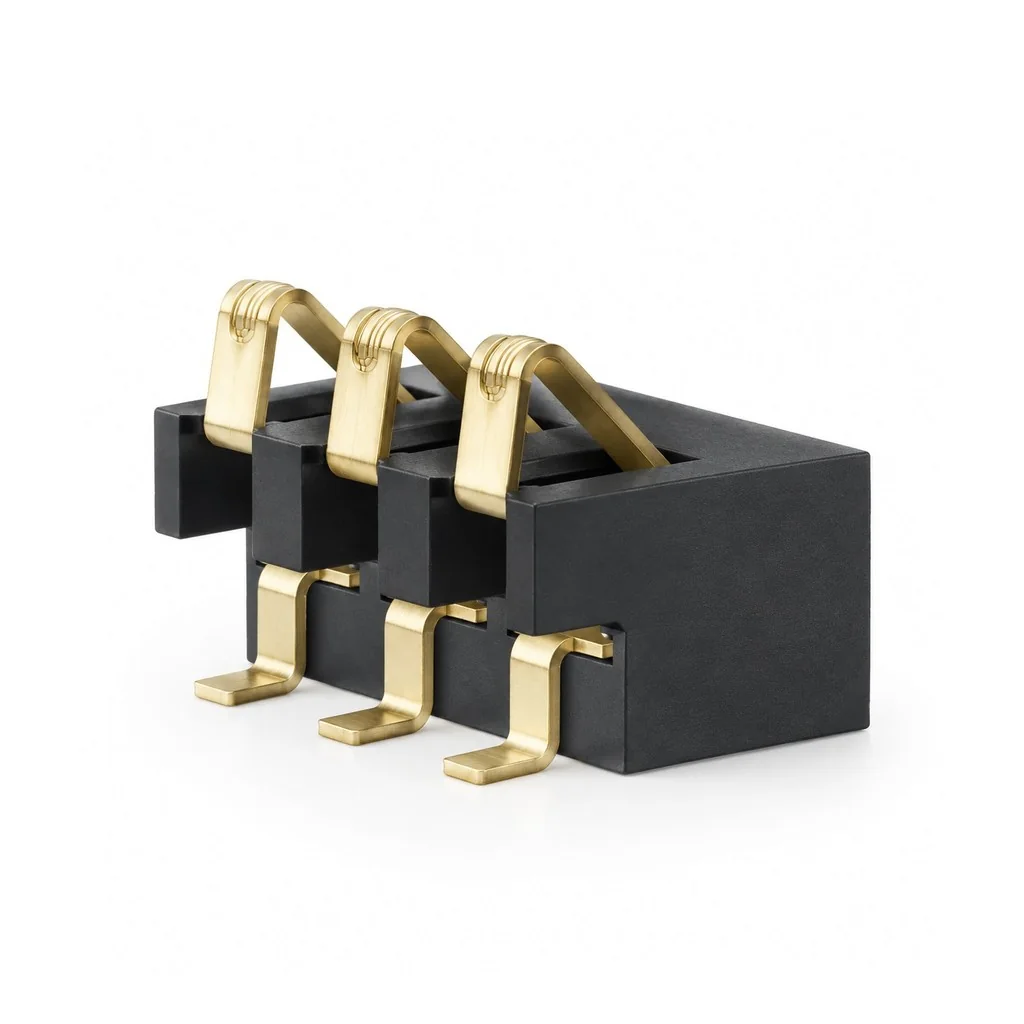
Spring Battery Connector Compression: A BC-75 Example
Use the BC-75 drawing to calculate 1.35 mm nominal compression, then check the complete assembly tolerance stack and seated contact position.
Read more →Top-Press vs Side-Press Spring Battery Connectors: Read the Contact Direction in the Drawing
Read contact direction, PCB references and working-position labels in Kangsheng BC75 and BC82 drawings before choosing the assembly path.
Read more →PCB Battery Connector Footprints: Separate Pads, Locating Holes and Reference Views
Use Kangsheng BC75 and BC82 recommended PCB layouts to separate pads, locating holes, outline dimensions and top-view references.
Read more →Battery Connector RFQ Brief: Part Numbers, Interfaces and Project Stage
A copyable purchasing brief that separates confirmed details from unknowns, firm quantities from forecasts, and exact drawings from series references.
Read more →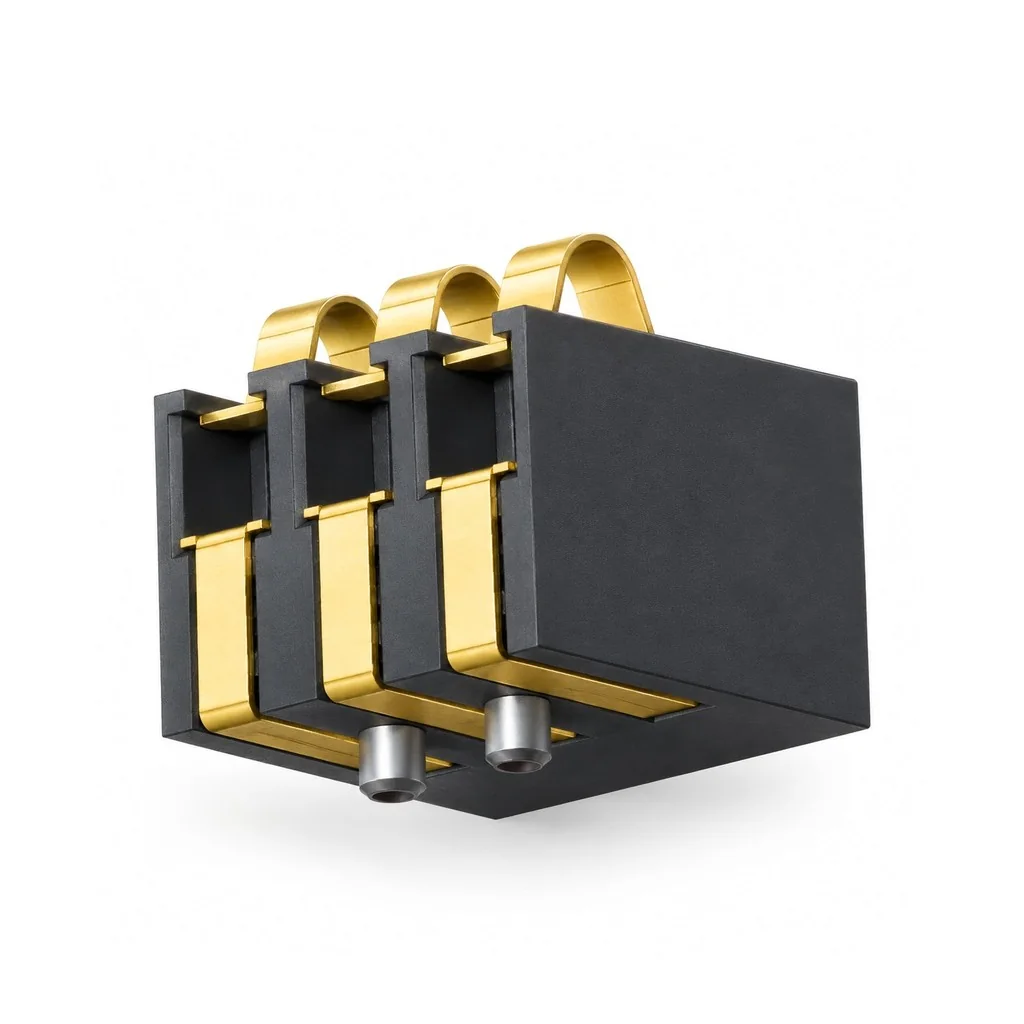
BC-82 3PD550 vs 4PD300: 2.5 mm Battery Connector Drawing Guide
Compare BC-82 3PD550 and 4PD300 pin counts, 2.5 mm pitch and housing heights. Review locating posts, PDF drawings and STEP files before preparing an RFQ.
Read more →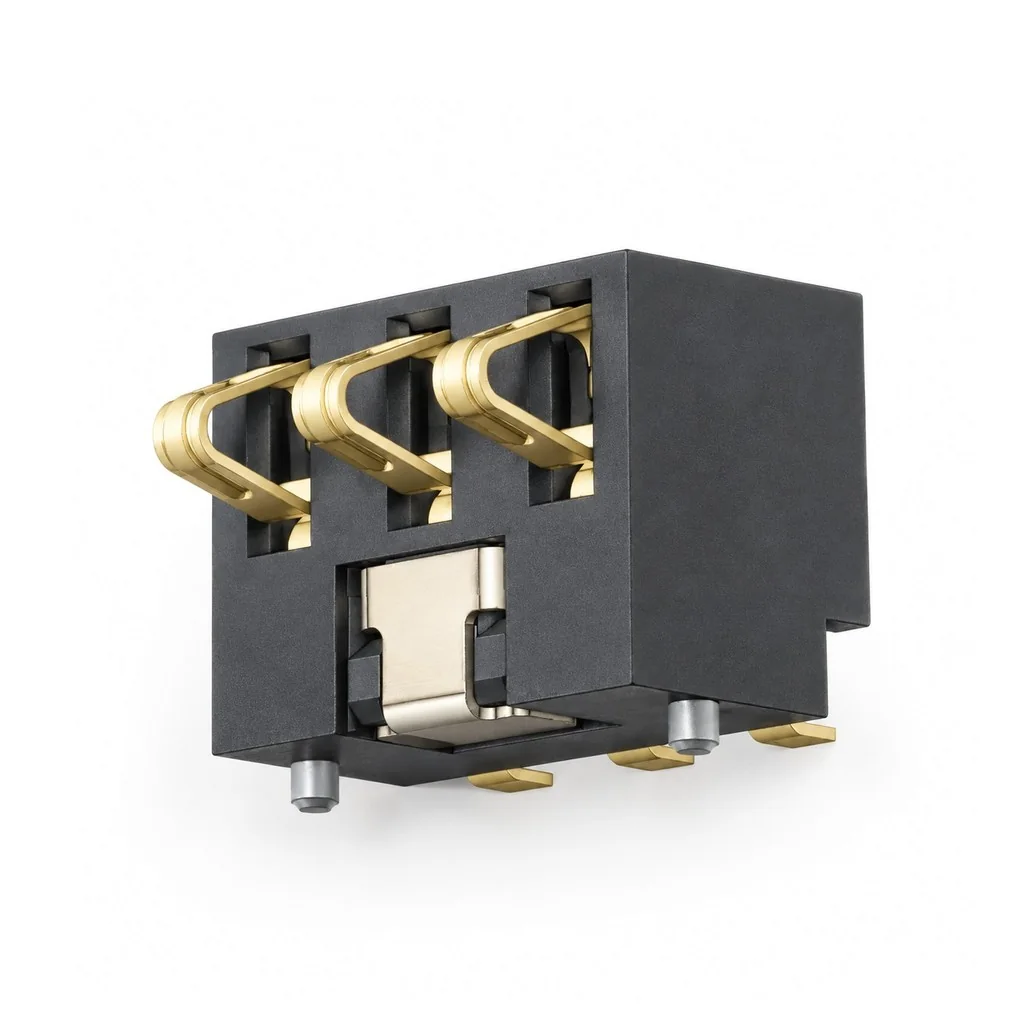
BC-75 3PD540 vs 3PD650: Side-Press Connector Drawing and RFQ Guide
Compare 3-pin, 2.5 mm side-press BC-75 3PD540 and 3PD650 connectors. Find the 5.4 and 6.5 mm drawing rows, match STEP files and prepare your RFQ.
Read more →Gold vs Nickel Plated Battery Contacts: Contact Resistance, Corrosion and Cost
Plating decides how stable contact resistance stays and how well a contact resists corrosion. Gold suits small signals and wearables; nickel suits higher current and cost-driven designs.
Read more →Battery Connector Selection Checklist: 10 Things to Confirm Before You Order
Ten checks across electrical, dimensions, structure, environment and validation, to reduce rework when choosing a battery connector.
Read more →How to Choose Spring Battery Connectors: Pitch, Contact Style and Height
Pitch and pin count, top-press vs side-press, height and travel, and mounting: five points for choosing the right spring battery connector.
Read more →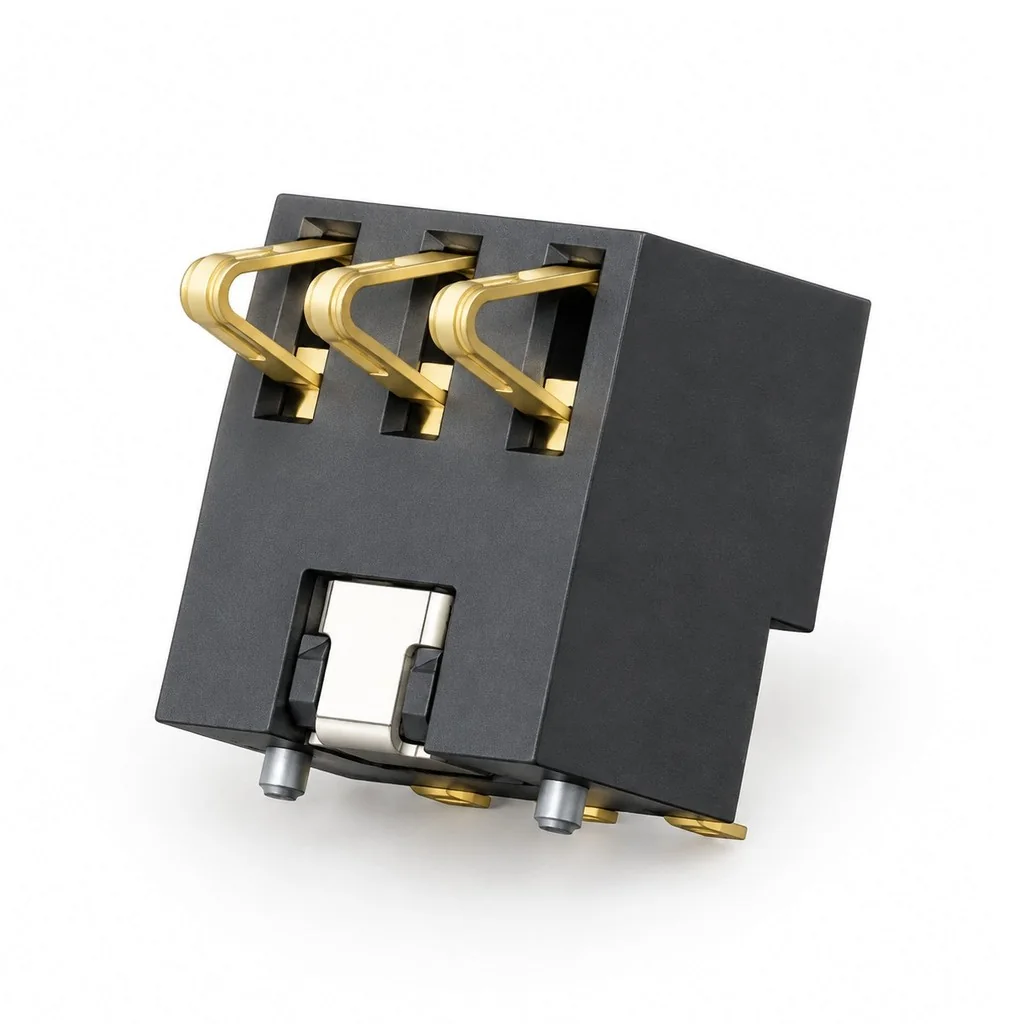
2.5mm vs 2.54mm Battery Connector Pitch: Center Spacing and Overall Span
How can you distinguish 2.5mm from 2.54mm battery connector pitch? Check contact and solder-tail centers, first-to-last span, drawing units, viewing direction and supplier dimensions.
Read more →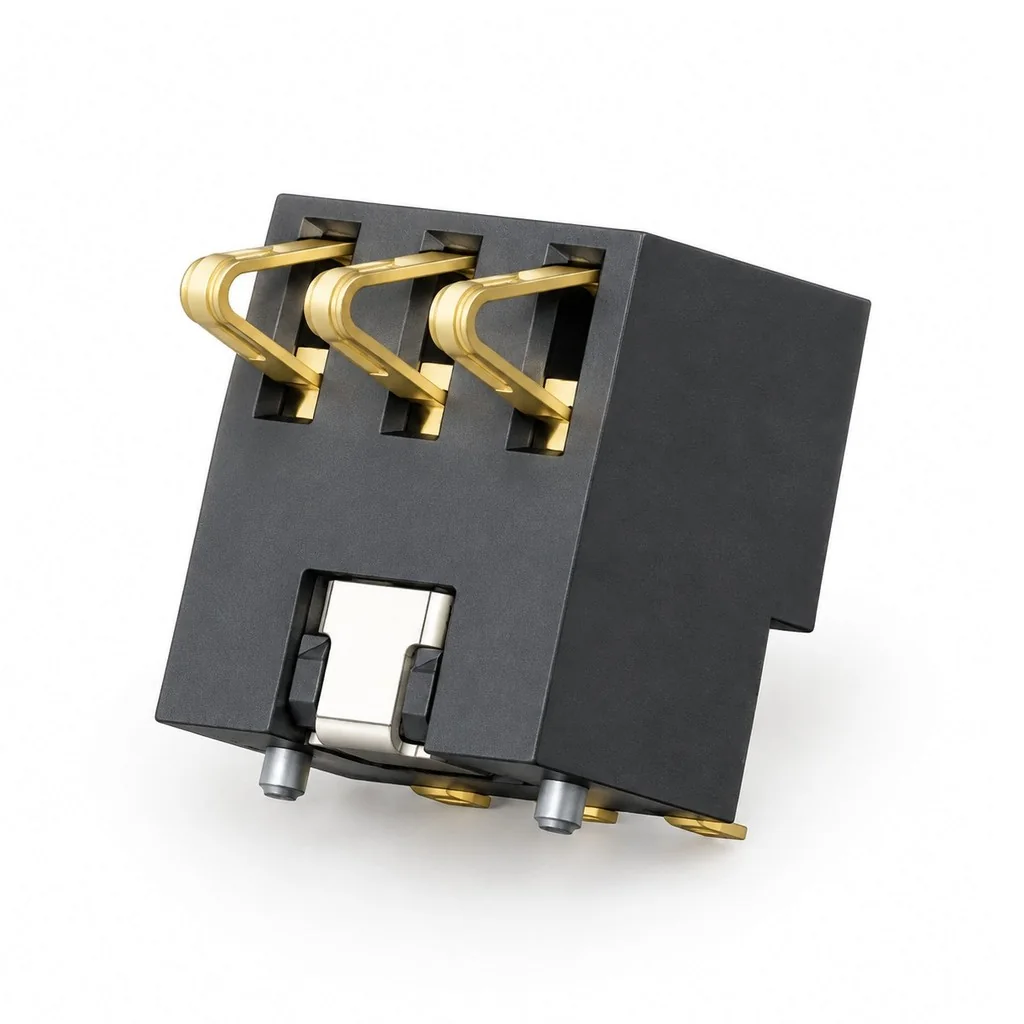
Choosing 3-Pin, 4-Pin or 5-Pin Battery Connectors: Define the Pinout First
Choose 3-pin, 4-pin or 5-pin battery connectors by pinout, viewing direction and power and signal requirements. Do not guess temperature-sensing or communication connections from pin count.
Read more →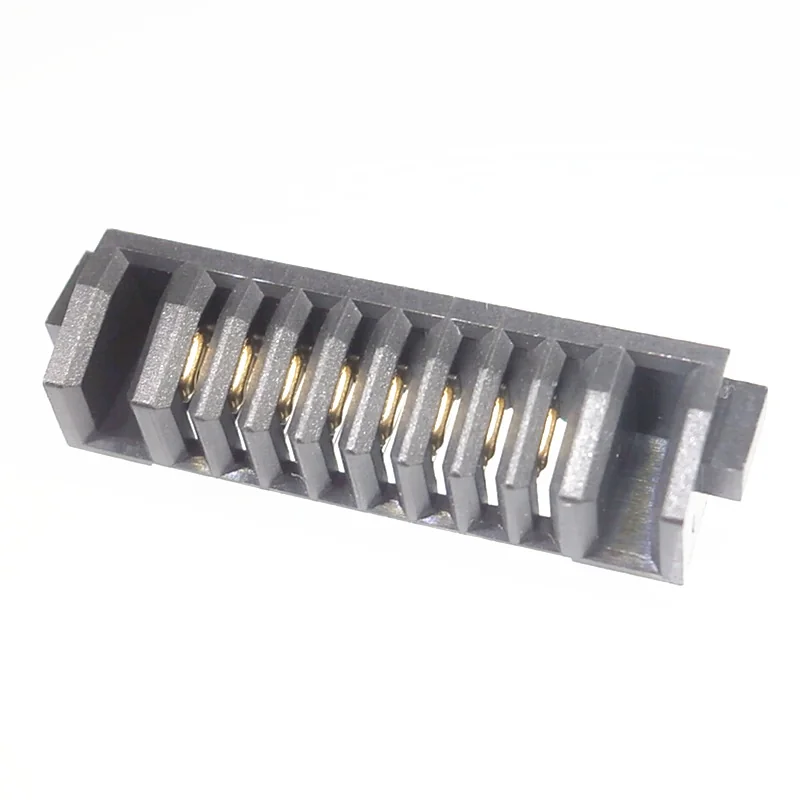
Pairing Male and Female Blade Battery Connectors: Check Mating Orientation at 2mm Pitch
Pair blade battery connectors by specified mating part numbers, pin positions, keying, mating orientation and PCB mounting dimensions. Matching pitch and pin count alone do not prove compatibility.
Read more →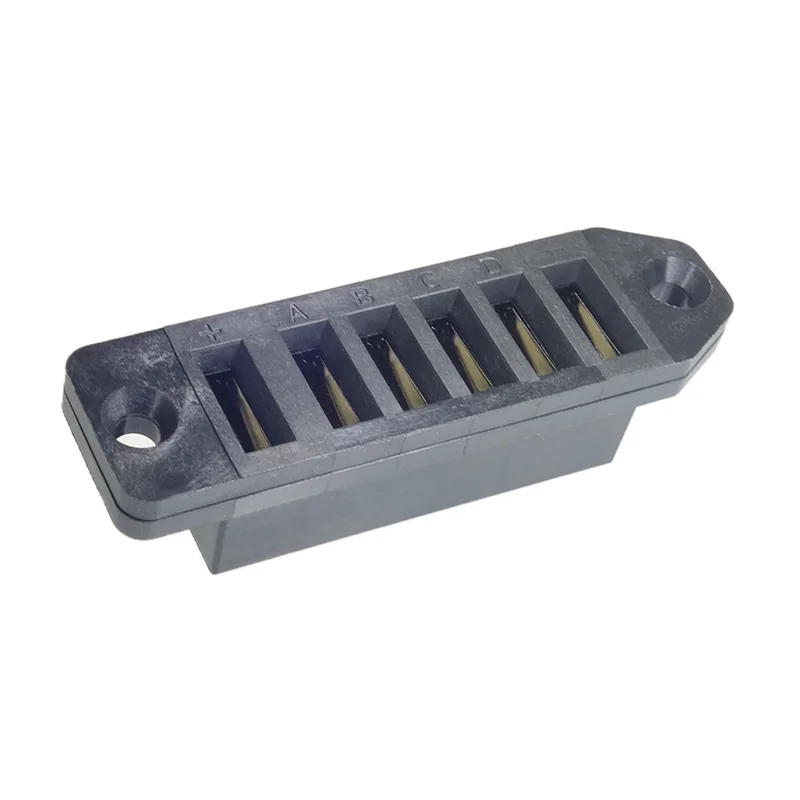
Reading High-Current Battery Connector Ratings: Continuous Current, Peaks and Temperature Rise
Check continuous current, peak duration and temperature-rise test conditions when selecting high-current battery connectors. Record loaded contacts, ambient temperature and PCB or wire conditions; do not infer ratings from pin count.
Read more →Public battery connector drawings: what to check before a power-tool sample request
Use identifiable drawings to screen mechanical fit, then request separate current, temperature-rise, plating and mating evidence for the actual battery pack.
Read more →